
Between attraction and deception: the importance of consumer trust
In the food industry, everything revolves around appeal. From colourful packaging to clever claims about health, sustainability, or origin, producers aim to entice consumers to buy. But where does attraction end and deception begin? In Europe, this boundary is not only ethically relevant but also clearly defined by law. Consumers are increasingly aware of what they eat and pay more attention than ever to labels and claims. This makes transparency and honesty on packaging essential for long-term success.
Attraction versus deception
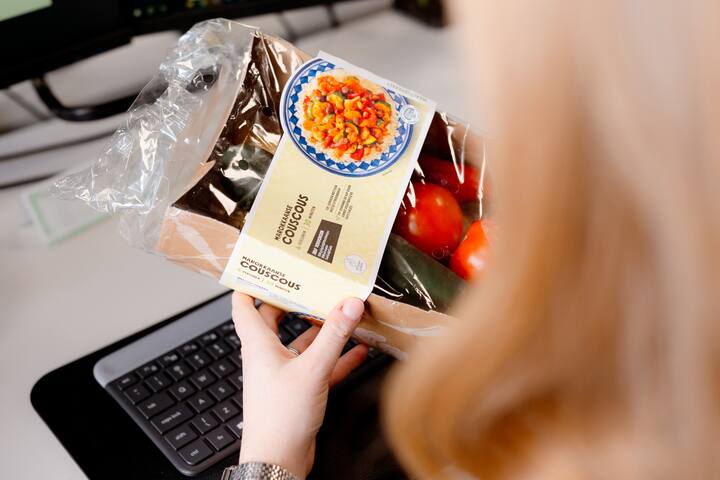
Attractive food packaging can take many forms: vibrant colours, illustrations of juicy fruit, a ‘fresh’ or ‘natural’ image, or suggestions of health benefits. This is allowed (and even desirable) as it helps products stand out in a crowded market and supports consumer choice.
Deception, however, occurs when packaging creates a false impression of the product’s contents or qualities. Examples include exaggerating health benefits, suggesting a product is organic or sustainable when it is not, or using images of ingredients that are barely present. More subtle forms of deception also exist, such as downplaying allergen information, using colours or shapes that imply higher quality or health, or highlighting certain claims while leaving other important details in the shadows.
Both the Dutch Food and Consumer Product Safety Authority (NVWA) and the Belgian Federal Public Service for Health monitor correct labelling. Misleading packaging can result in warnings, fines, product recalls, and lasting reputational damage for brands.
The importance of trust
Consumer trust is the foundation of brand loyalty. A customer who feels misled is unlikely to buy again and may share negative experiences on social media, causing long-term harm to a brand’s reputation. In an era where information spreads globally in seconds, earning and keeping trust is essential.
Transparent communication about ingredients, origin, production methods, nutritional value, and allergens not only helps brands comply with legislation but also strengthens their relationship with consumers. Voluntary information, such as details about origin, sustainability certifications, or preparation tips, can provide extra support for consumer choices. At the same time, this offers opportunities to position the brand positively. Provided the information is honest and verifiable.
The pitfall of incorrect or unauthorised claims
A common pitfall is using claims that do not comply with European legislation. These can include health claims such as “boosts immunity,” nutritional claims like “fat-free” or “sugar-free,” or sustainability claims that lack validation. Using such claims without proper substantiation can mislead consumers and trigger enforcement by authorities.
It is also important to pay attention to voluntary claims and labels, such as “gluten-free,” “lactose-free,” “organic,” or “fair trade.” While these often support marketing, they must meet specific rules and certifications. Incorrect or unchecked use can lead to loss of consumer trust and legal sanctions.
Related Services
Déploiement d’un spécialiste de l’étiquetage

Contrôle des labels
Nos solutions vous intéressent ?
Related companies

Normec Label & Specifications
's-Hertogenbosch Pays-Bas