
Shelf Life Testing
Shelf life testing
As a producer of food, you must have substantiation for the shelf life of the products you sell. It is therefore important to know how long your product can be kept. To determine the shelf life, we conduct a shelf life study. We will then examine your product for microbiological and organoleptic parameters. Based on the results, we will give you advice about the shelf life of the product under investigation. Would you rather know if it is possible to extend the shelf life? We can also give you advice on that.
Shelf life testing at a glance
Substantiate the shelf life of your food
Comply with the legal requirements
Perform a challenge test or predictive microbiology
Shelf life testing
For shelf life testing, we collect products from suppliers, distribution centers, or supermarkets. Half of the product is measured immediately, while the other half is set aside and measured after a period of time. This means that we measure quality twice during shelf life testing. Product quality at the time of purchase is compared with quality at the end of the best-before date.
How long a product is set aside in a shelf life test and under what conditions depends on the purpose of the shelf life test and the product.
Why research shelf life?
It is required by law to indicate a best-before date on prepackaged foods. The expiry date gives consumers the assurance that up to that date, the product has its normal quality properties (normal colour, odour, consistency and taste), is not spoiled and is not a health hazard. A shelf life study gives you all this information, so that you can offer a qualitatively safe and good product to the consumer.
Less packaging materials
Currently, there is a focus on reducing packaging materials in the supermarket chain, as packaging materials are a burden on the environment. In recent years, there has been an increasing interest in selling products without packaging material.
However, removing packaging material from the equation should never negatively impact the shelf life of a product. If that happens, there is a risk that the environmental benefits will be offset by an increase in product waste in supermarkets or at the consumers’ homes.
Various studies to test the shelf life
A shelf life study can focus on safety (for example, Listeria monocytogenes) and on the spoilage of a food (for example, total bacterial count). Different types of research are therefore possible:
In a challenge test, we will contaminate your product with a known concentration of a microorganism. We will then monitor its growth during the shelf life of the product.
This is the application of predictive models in which we calculate, among other things, the potential growth rate of microorganisms. In this modelling, we include various product and process parameters to estimate shelf life.
An investigation of the effect of various variables, such as temperature to control the behaviour of the product. It is also possible to compare various process techniques.
These services might also be of interest to you

Product comparisons
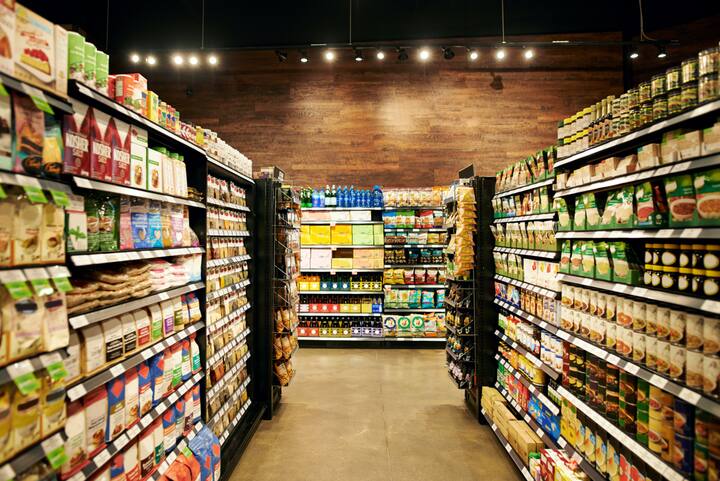
Produktqualität im Supermarkt
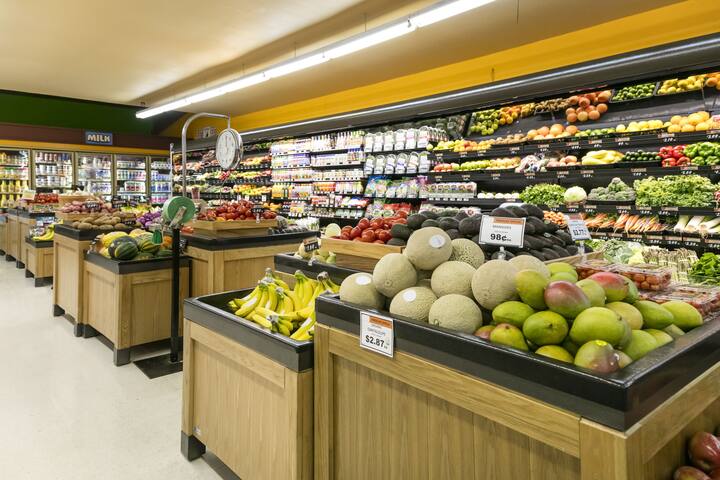
Store inspections
Möchten Sie ein sicheres und gesundes Arbeits- und Lebensumfeld schaffen?
FAQ
Frequently asked questions
Normec conducts shelf life testing on fresh produce to ensure product quality and safety. Products are tested at multiple points in time to provide insight into their freshness and durability.
With Normec, you gain reliable data on the quality and food safety of your fresh produce. This helps reduce waste, optimise shelf life, and ensure that consumers receive a safe and high-quality product.
During a shelf life test, products are analysed immediately after purchase and again after a set period. We measure quality, microbiological safety, and the impact of variables such as temperature and packaging.